🎵 Audio guide
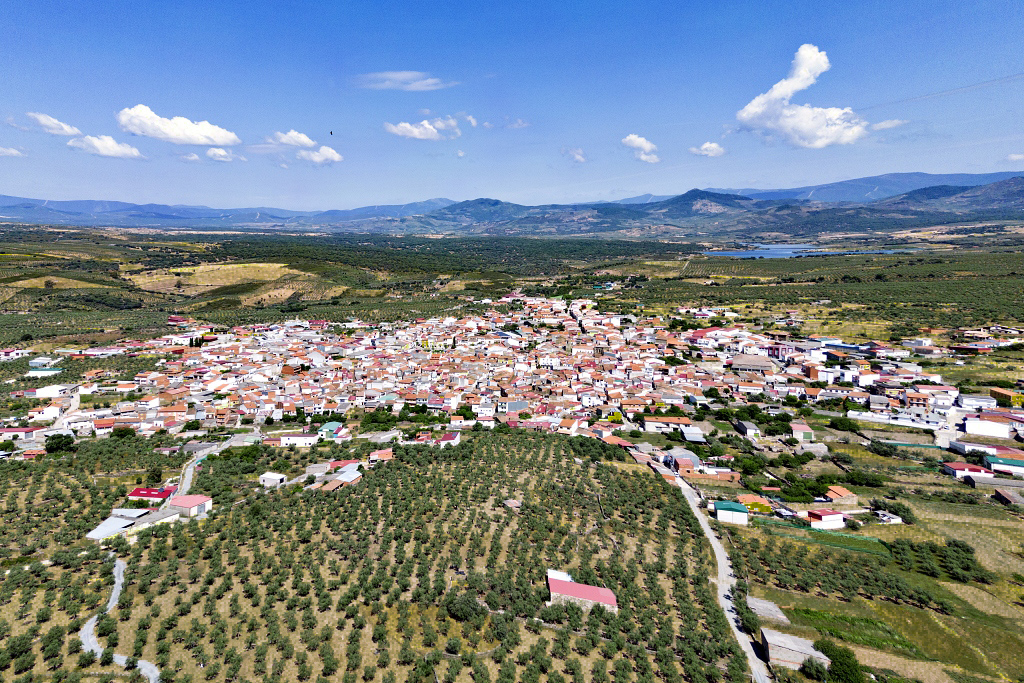
Part of the Trasierra-Tierras de Granadilla area, Ahigal is an island in the rolling sea of olive trees which surrounds it. Close to Granadilla, an old restored village, and the ancient Roman remains of Cáparra, Ahigal is a vibrant village with well-preserved history, legends and traditions.
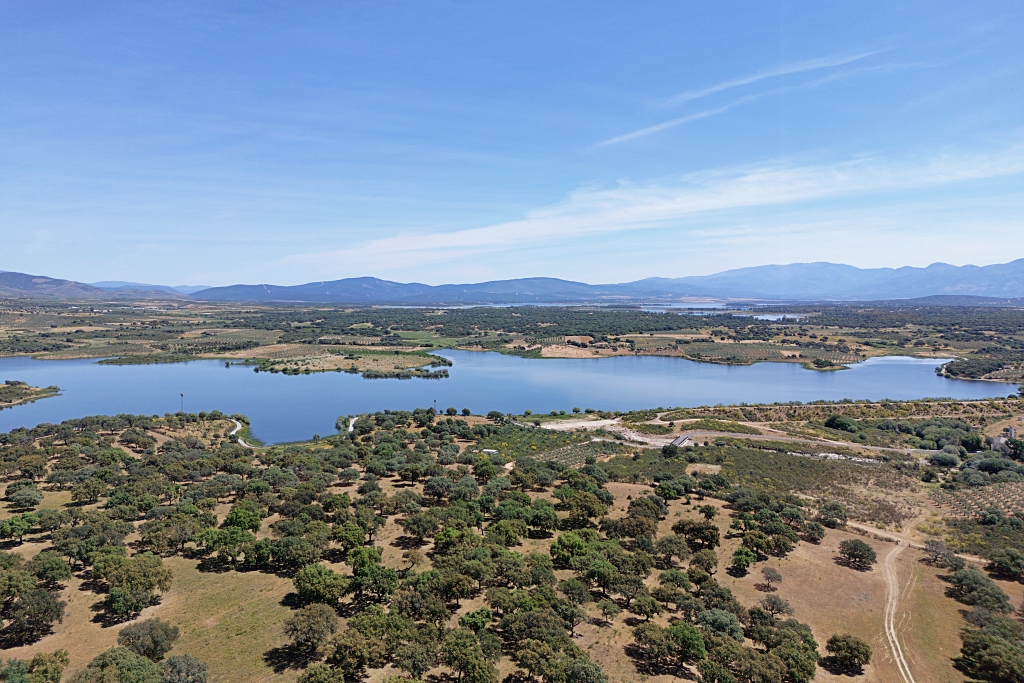
The surroundings, although they are dominated by the overwhelming presence of olive trees, are more than that. To the north there is a magnificent dehesa, pasture land dotted with holm oaks and cork oaks, accompanied by Las Cumbres reservoir which is fed by the waters of the Palomero stream, which runs between hills until it flows into the river Alagón.It winds like a green snake, leaving beautiful riverside forest, vegetable gardens and old oil mills in its wake.
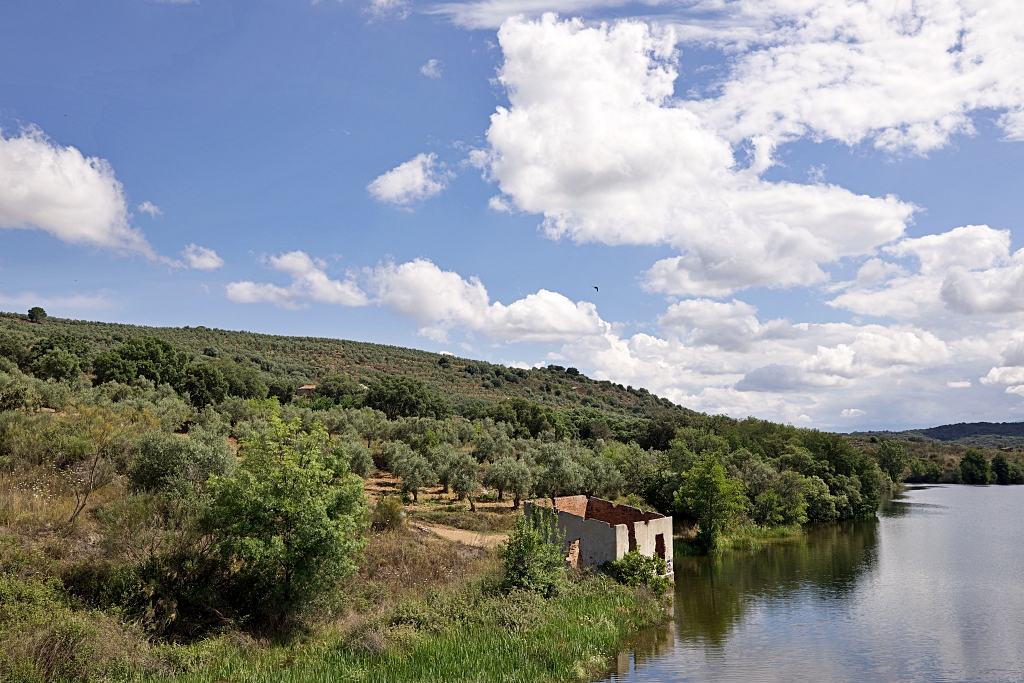
In the south, the olive groves overlook the river Alagón where it forms the Valdeobispo reservoir, and further afield, there is grazing land and woodland as far as the Ruta de la Plata, which marks the municipal boundary.
Ahigal has been inhabited since ancient times. Later, the Roman Empire dominated these lands, leaving its mark on them and the Moors also settled this area with its rich natural surroundings. During the Reconquista it became a border area between the Kingdom of León, to which it belonged, and the Kingdom of Castile. It passed into the hands of the Dukes of Alba, as did much of the land around Coria, a situation which came to an end in the early 19th century.
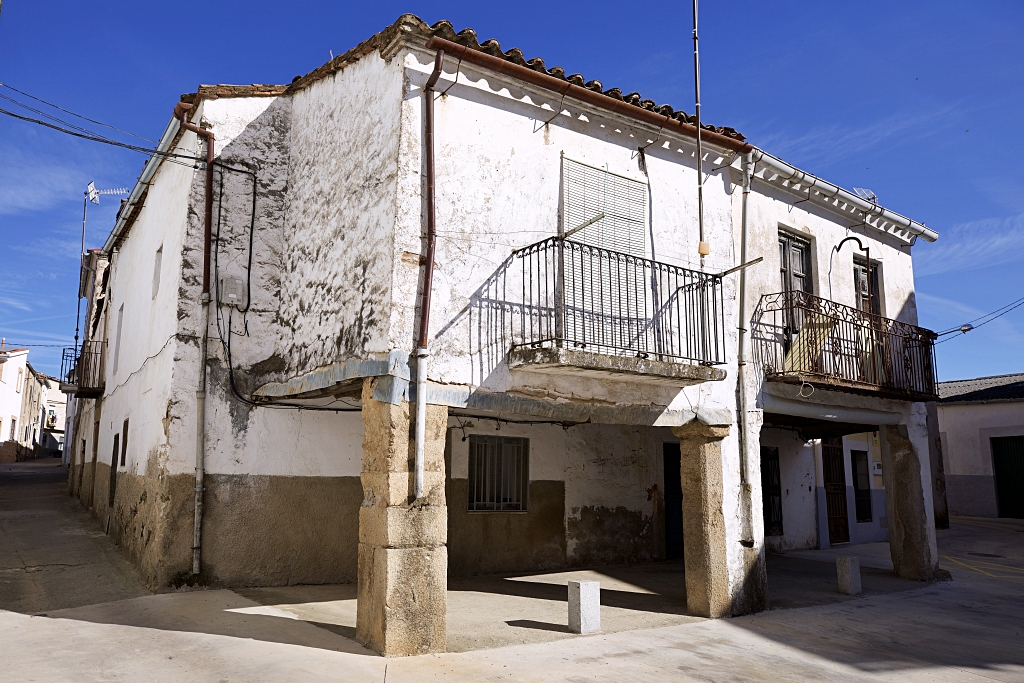
In the late 20th century, the village was transformed and unified, with the disappearance of the typical composition formed by the main nucleus with surrounding neighbourhoods. Although the traditional architecture has largely been replaced by modern constructions, there are still nooks and crannies with beautiful buildings which showcase the skilled workmanship of times gone by.
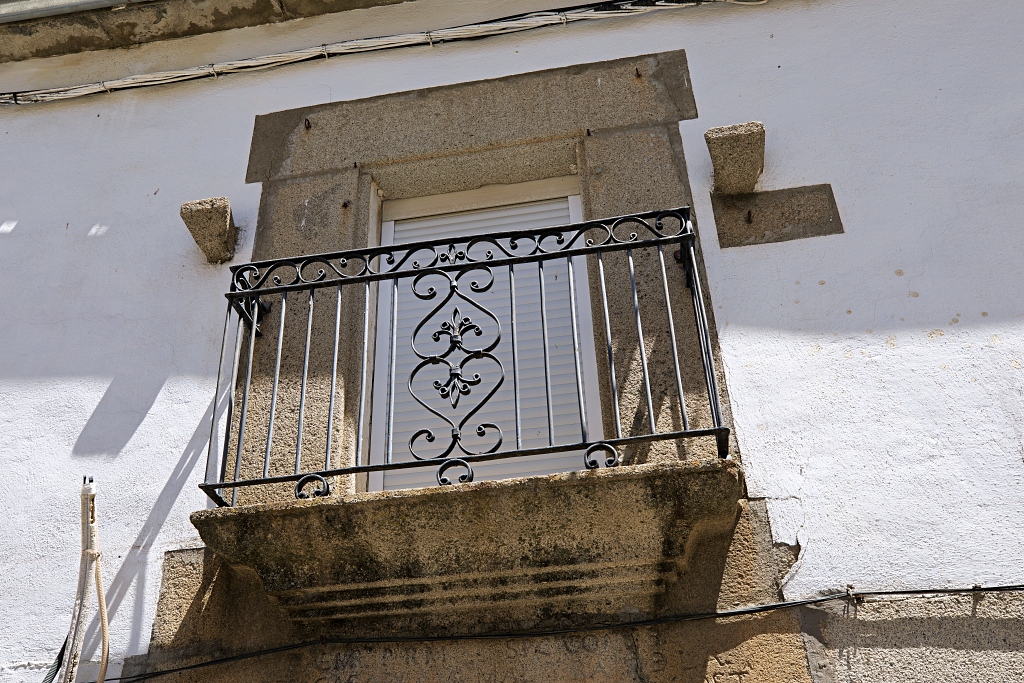
Ahigal has much to discover: tall narrow houses which form winding streets in the centre of the village, while towards the outskirts, the traditional buildings are wider and lower and the streets are also wider. There is also a difference in the building materials, the elaborate ironwork and the carpentry.
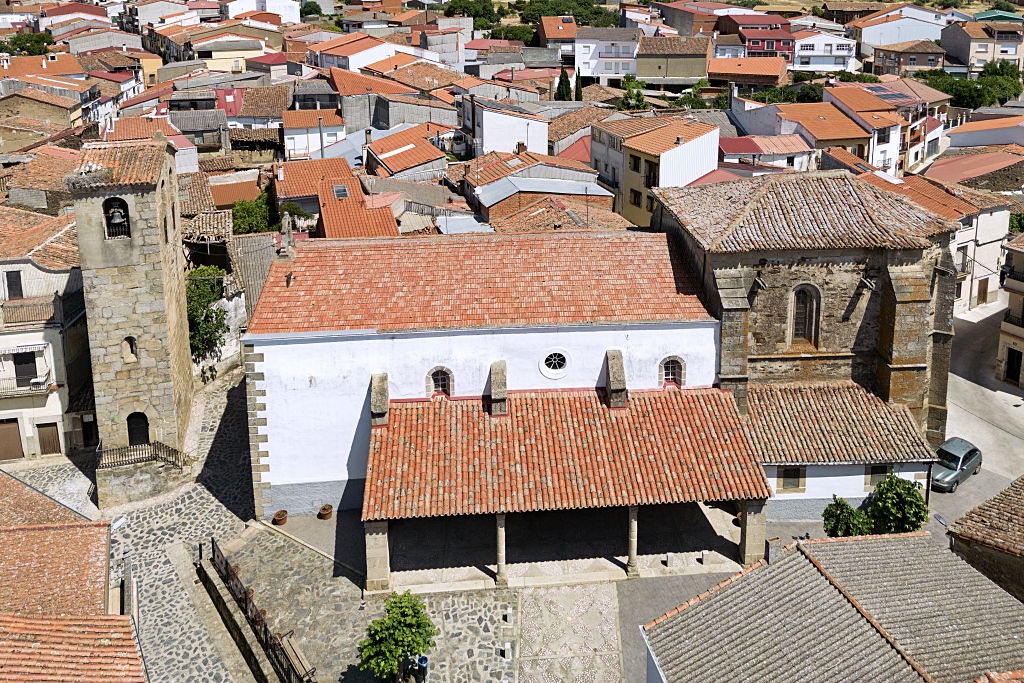
It has a variety of interesting features such as the Iglesia de NuestraSeñora de la Asunción (Church of Our Lady of the Assumption) with its free-standing bell tower and cross; the Chapels of the Humilladero, Cristo de losRemedios, Santa Lucia and Los Santos Mártires; and some beautiful examples of traditional architecture.
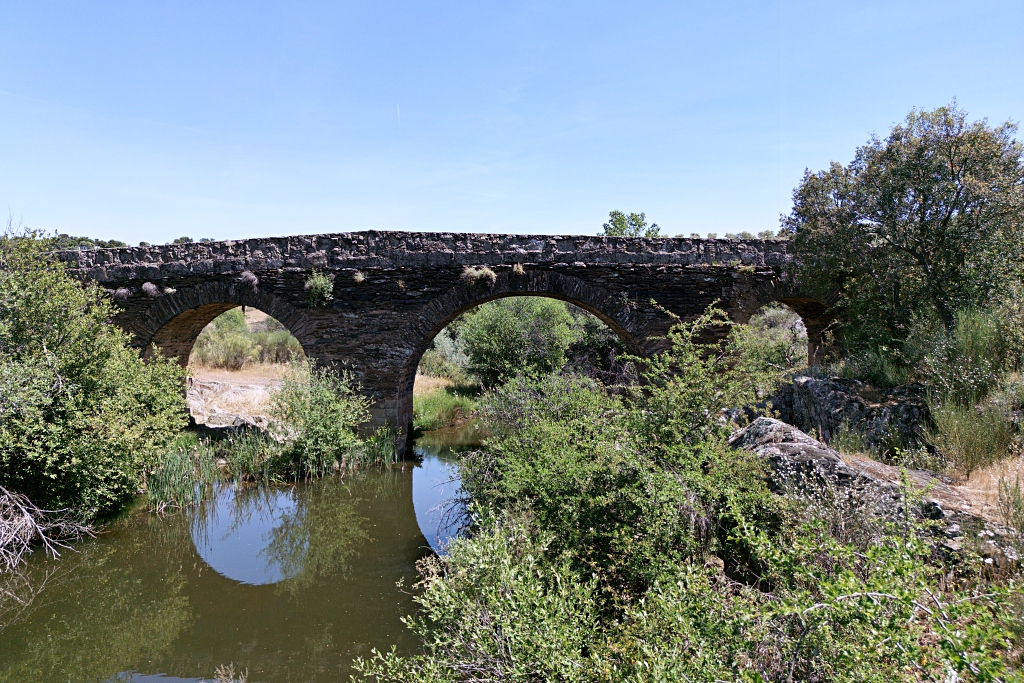
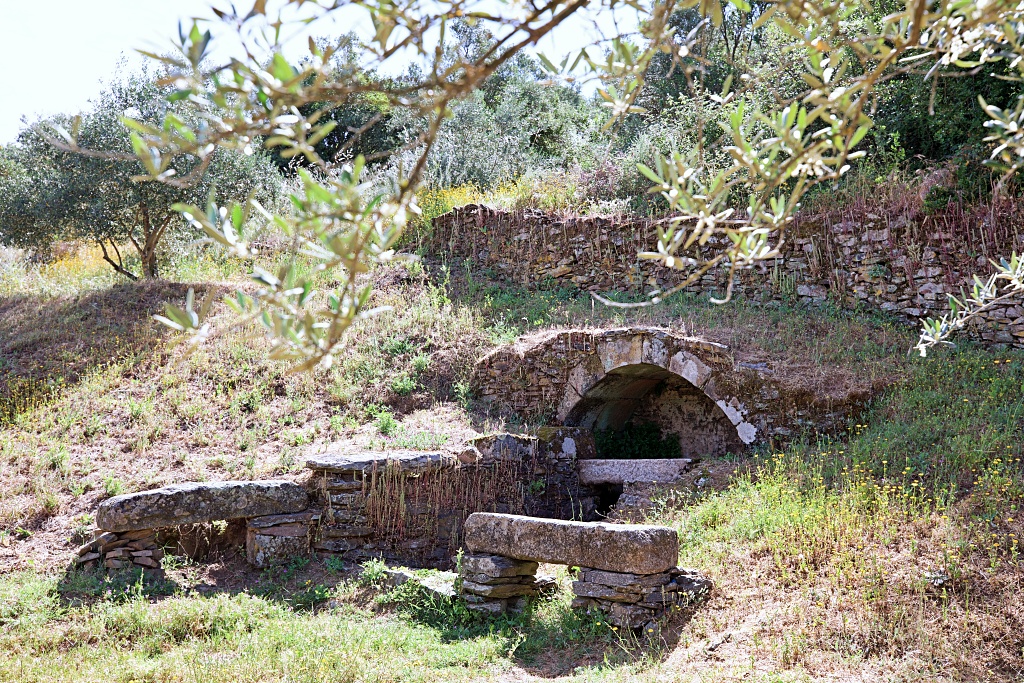
The surroundings are composed of olive groves; Las Cumbres reservoir and the Valverde dehesa; the Valle lake, the Palomero stream with its old olive mills and the Dehesa bridge beside the rock formation known as theCancho de la Virgen; the Cinojal and Maleno wells; and many old agricultural buildings including round stone huts and old dry stone walls.
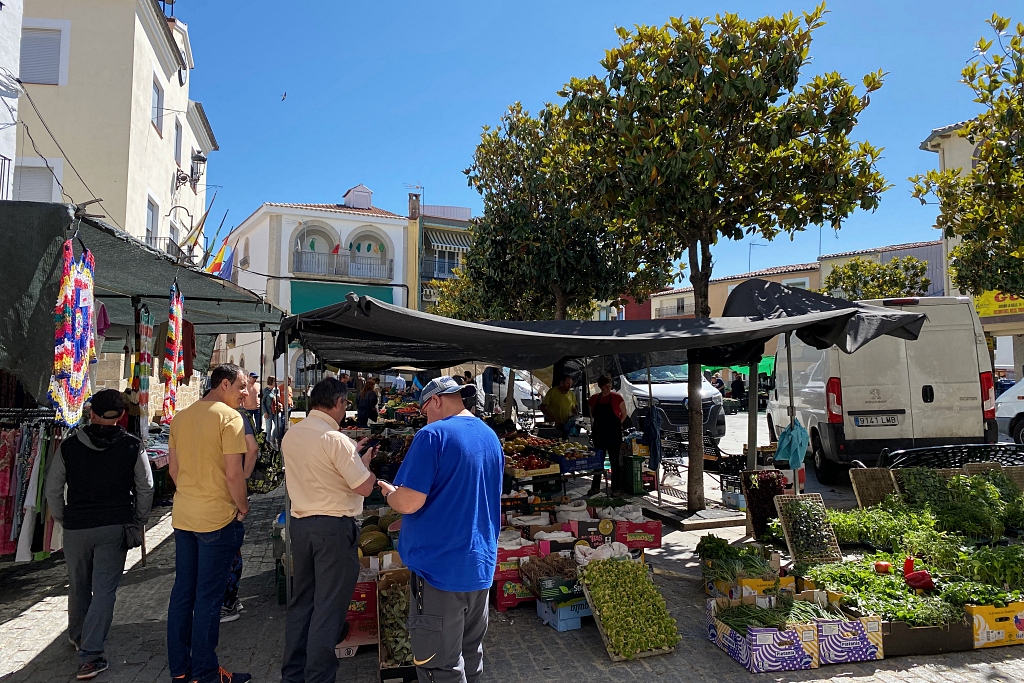
Ahigal is a land of fairs and markets, famous since the olden days for its livestock fair. Its Sunday market which has been held since time immemorial has become a reference point in the north of Caceres area. It is also renowned for the annual celebration of its national dog fair.