🎵 Audio guide
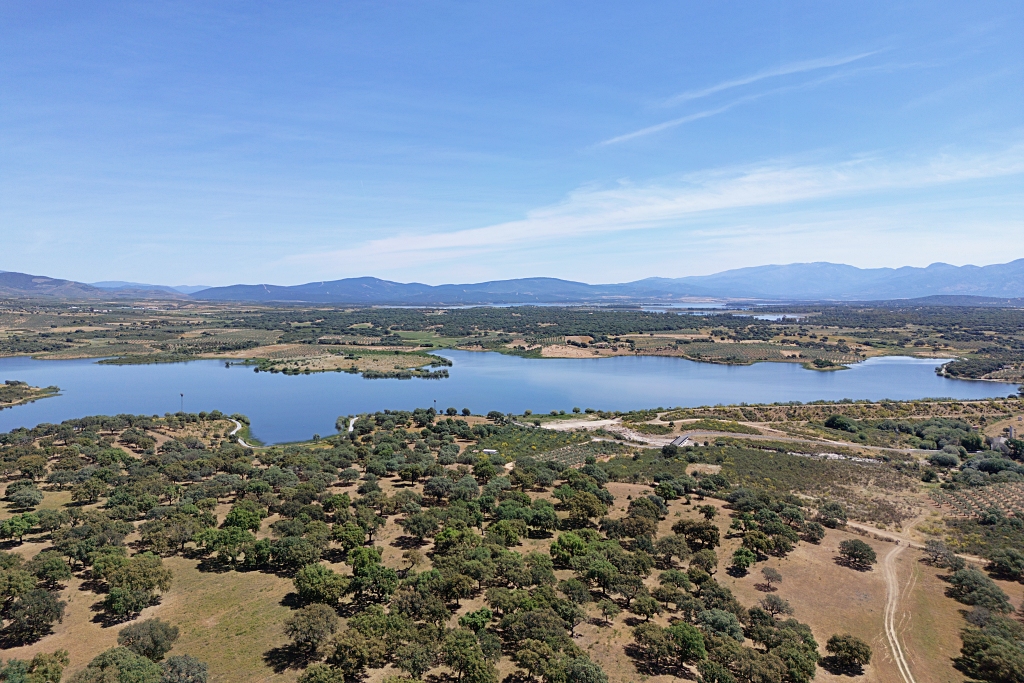
The land to the northwest of Ahigal is a huge mosaic of natural environments where old olive groves cover the endless hills which extend to the area around Las Cumbres reservoir where Mediterranean forest dominates the landscape. Beside this, on the other side of the old road to Cerezo, there is a large expanse of greenery - the Dehesa de Valverde, pasture land dotted with holm oaks and cork oaks.
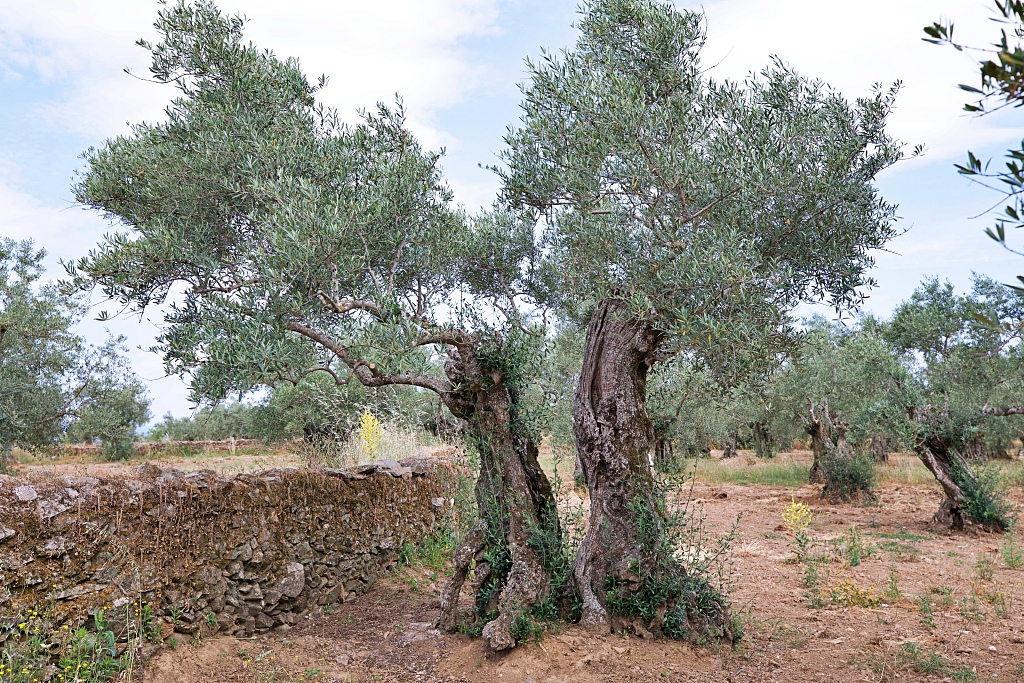
There are two types of olive grove in Ahigal. On the outskirts of the village there are traditional olive orchards in areas such as Pozo Nuevo, Olivares Viejos, Toconal Oscuro, Calleja Graná or Santa Marina whose olive trees, some of which are more than a thousand years old, have witnessed many changes throughout the history of these lands.
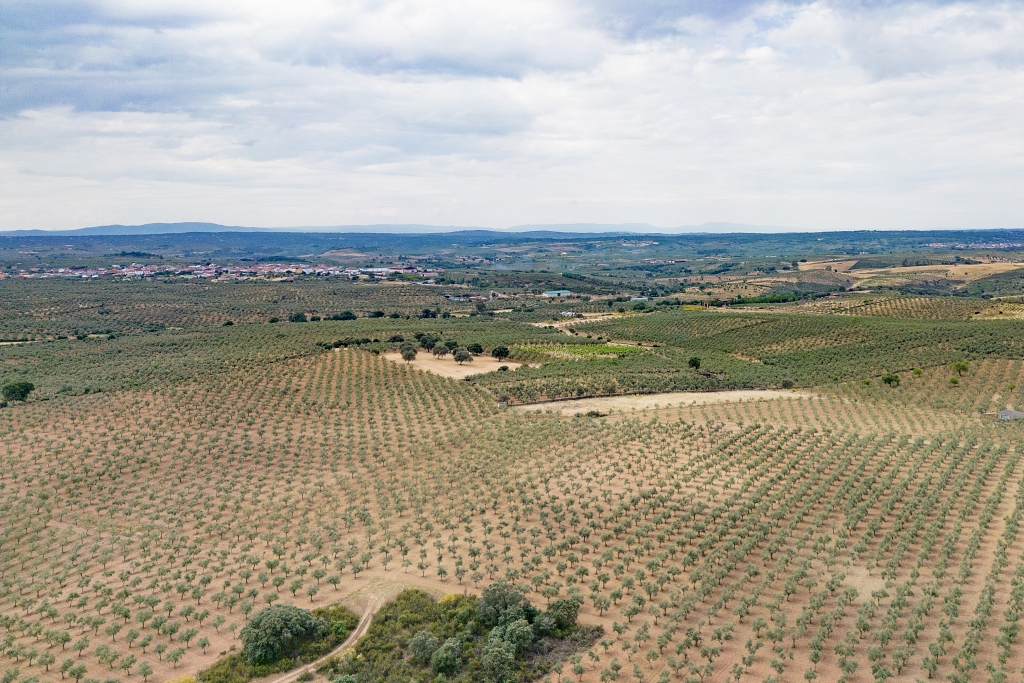
The ancient olive groves, many of which have old slate boundarywalls, gradually give way to endless rows of younger olive trees planted in the 20th century on the rolling hills which were formerly pastures, scrubland or sparsely forested with holm oaks and cork oaks.
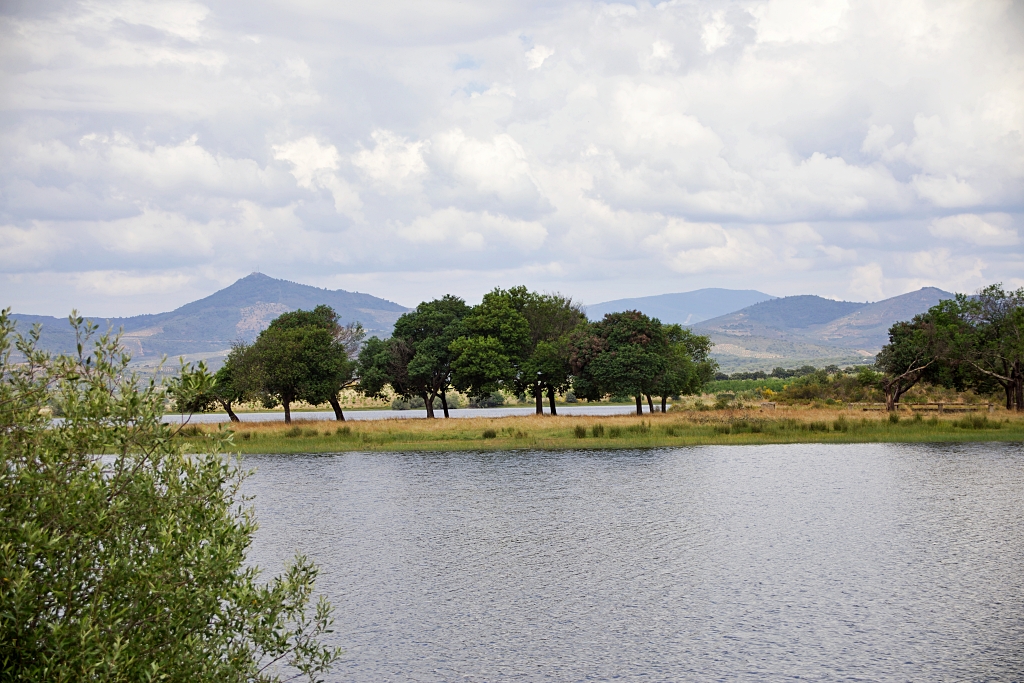
Small bodies of water are scattered throughout the municipality of Ahigal. One of these is Las Cumbres reservoir, situated next to the Dehesa. It is fed by the waters of the Palomero stream in an area where the olive trees have given way to Mediterranean forest.
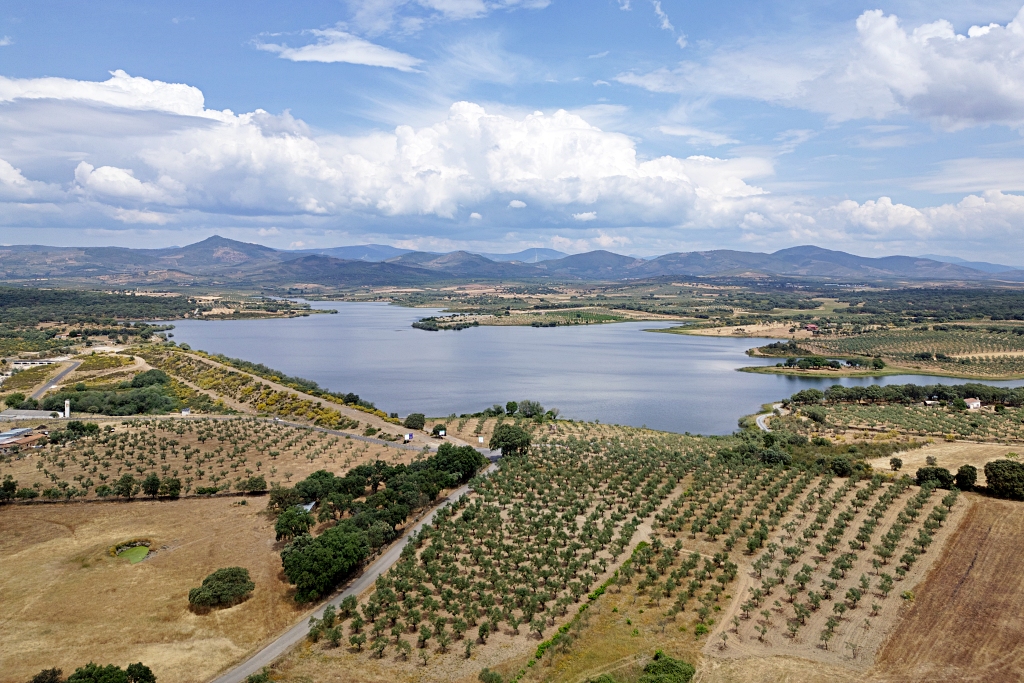
A beautiful haven of peace - it's an ideal spot for hiking or fishing. There is a small peninsula projecting into the reservoir and a leisure area from which to enjoy superb views not just of the reservoir and its surroundings but also the mountainous formations of the north of Caceres.
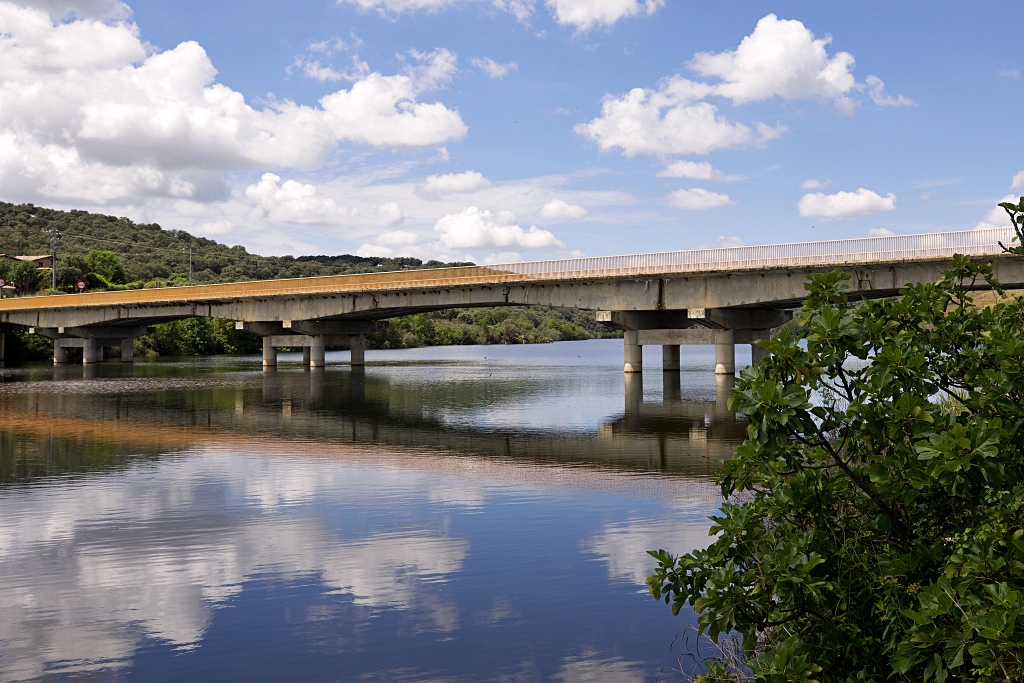
This space, dedicated to fishing, has various designated fishing spots to facilitate the enjoyment of this sport. After the reservoir, the Palomero stream continues its meandering course, tamed by a number of dams. It heads south, bordered by its unmistakeable riverside vegetation until it flows into the calm waters of the Alagón river in the Valdeobispo reservoir.
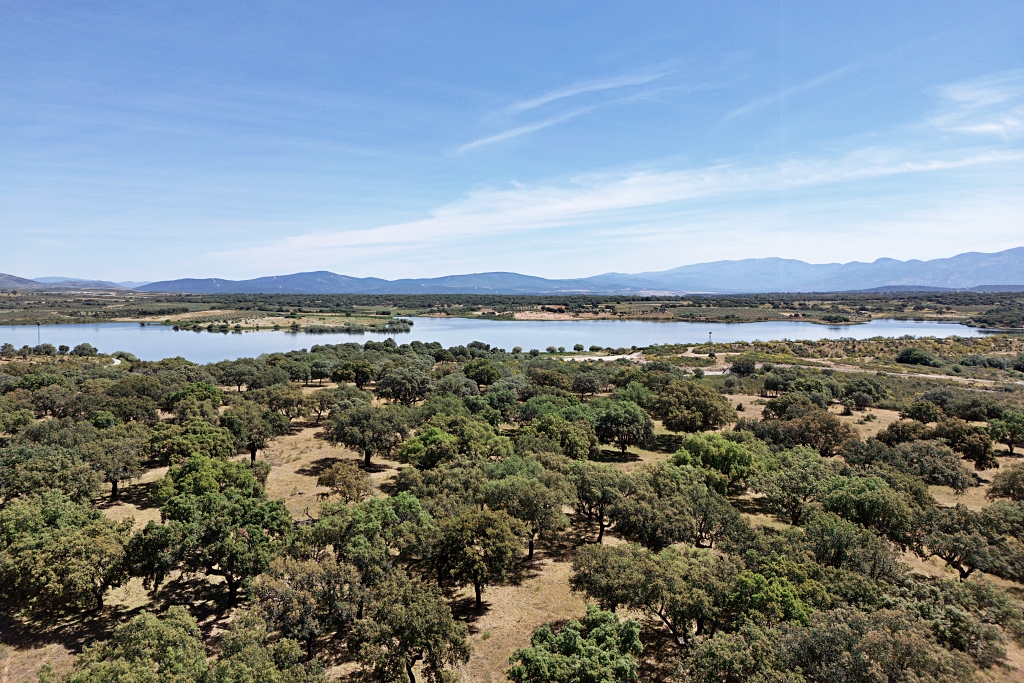
The Dehesa de Valverde is a large green, privately-owned space crossed by many public paths. A complete contrast to the massive expanses of olive trees in other areas, the kings here are holm oak and cork oak trees. They form a typical traditional dehesa - sparsely forested pastures which are still used for livestock grazing today.
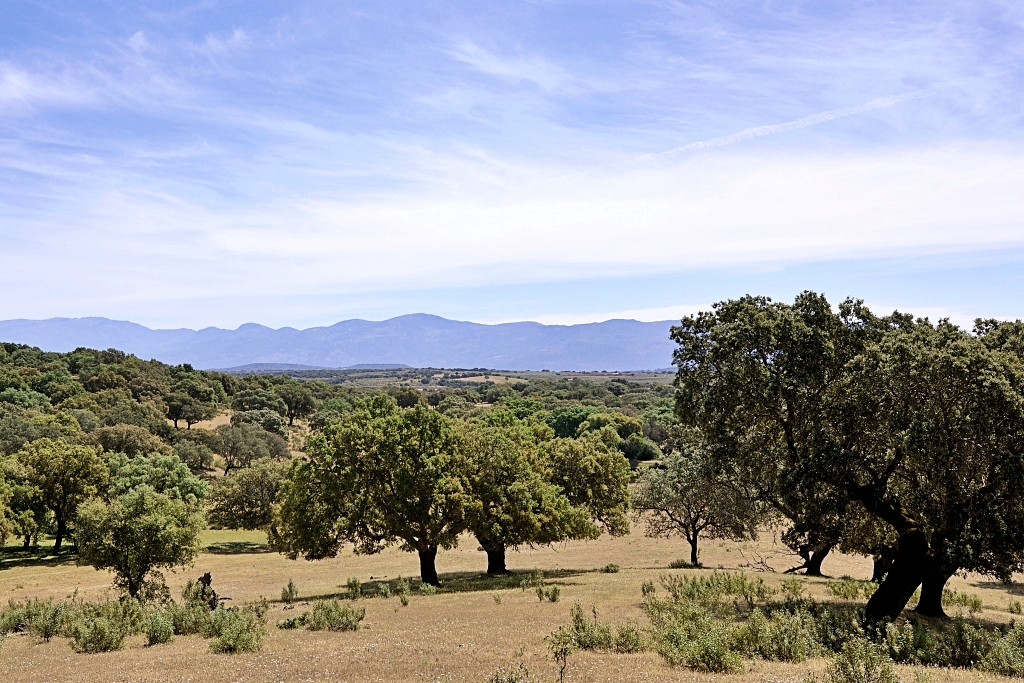
Several temporary watercourses flow through the area, accompanied by riverside vegetation, such as the Zarzales stream and others with such poetic names as Encima de la Luna or On Top of the Moon stream. These form pools such as Laguna Vieja and Laguna Nueva which are watering holes for livestock in the summer. There are various hills from which you can enjoy magnificent views of the surroundings including the hill on which the estate house is located.
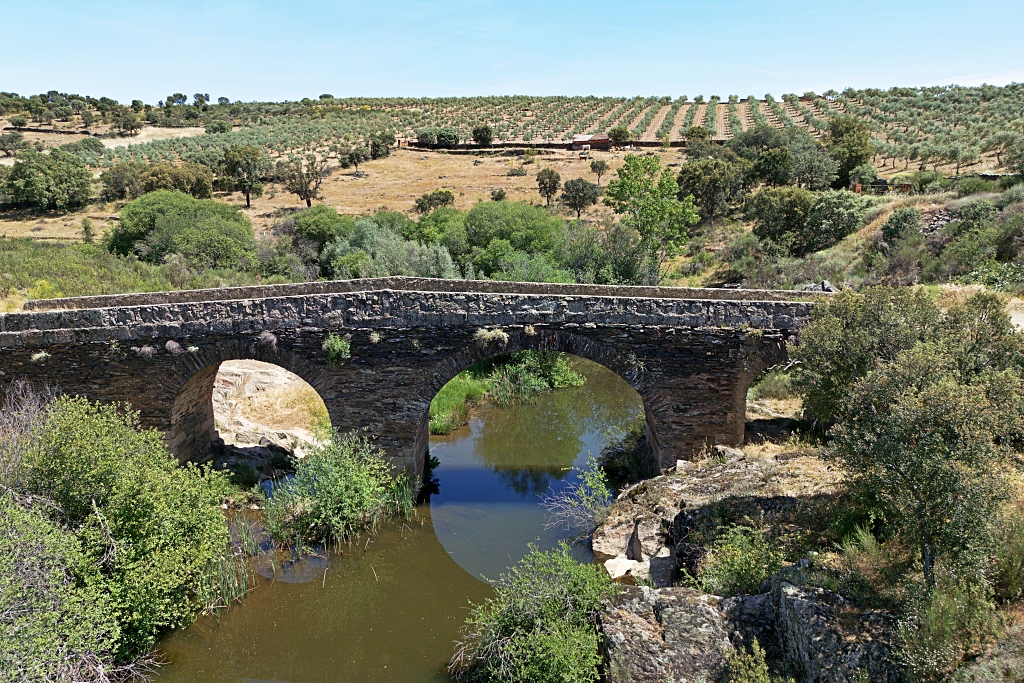
If we take the old road to return to Ahigal, we walk along the Palomero stream before crossing it at the Dehesa bridge - an excellent example of traditional civil architecture. We then pass through olive groves until we arrive once again in the village of Ahigal.